Determine Your Required Solar Array Size (kW) Natively
Analyze your home consumption profiles, localized sun tracking metrics, and technical degradation margins to compute an optimized kW footprint.
To calculate your ideal residential solar system size, divide your house’s total annual kilowatt-hour (kWh) electricity usage by your local daily peak sun hours, then divide by 365 days and account for a standard equipment efficiency loss margin of 80% to 84%.
For an average American home using 10,500 kWh annually in a location with 4.5 daily peak sun hours, the required footprint size is approximately 7.8 kW.

How to Use the Sizing Engine
Our comprehensive framework computes your ideal array capacity in real time. Follow these steps to map your solar potential:
1. Profile Your Power Bill
Input your average monthly utility expenditure and current electricity rate per kWh. You can find these data values printed on your recent electric bills.
2. Set Environmental Targets
Input your regional peak sun hours tracking metric and dial in your target offset volume. Keeping it at 100% mirrors your entire current grid electricity demand.
3. Tune Your Hardware Specifications
Select your intended microinverter or string topology framework. The module automatically matches standard panel specifications to output total surface area and physical panel counts.
Why Generic Array Calculations Fail Modern Homeowners
Most residential solar sizing tools on the internet rely on massive, inaccurate sweeping assumptions. They take your zip code, apply a generic national multiplier, and hand you a standard cookie-cutter solar quote profile. That approach worked when utility billing structures were simple, but navigating today’s complex grid environments requires a far more precise, technical assessment.
Your property’s real-world power capacity output is a fluid equation balancing household consumption shifts against technical hardware friction loss. For instance, putting premium monocrystalline modules on a roof without dialing in the systemic derate variables (like dust build-up, line resistance, and inverter processing thresholds) yields an undersized array that fails to clear your utility bills.
Our advanced sizing engine tackles these exact friction limits. By giving you direct control over systemic factors, you can design a system footprint tailored around real constraints. This protects you from aggressive sales claims and ensures your setup generates the exact annual kWh offset your family needs to achieve rapid financial break-even status.
Inverter Topology Variances
Microinverter setups process power individually at module level, losing just 4% in conversion efficiency, while standard string architectures suffer higher systemic drop-offs.
Peak Sun Hour Reality Metrics
Peak sun hours are not raw daytime duration tracking; they measure the duration where solar irradiance strikes an absolute density threshold of 1,000 watts per square meter.
Sizing Matrix & System Calibration FAQs
How does home orientation affect total system sizing calculations?
True geographic south-facing roof surfaces capture the optimal volume of solar irradiance across the United States. If your property forces an east-west panel deployment layout, total production potential slips by 10% to 20%. To clear this generation drop-off, our calculator engine compensates by increasing total raw system wattage capacity and adjusting module surface area dimensions accordingly.
Why does the calculator require an environmental derate factor?
Photovoltaic setups operate in real-world environments, not perfect test laboratories. The standard environmental derate coefficient (pre-calibrated at a reliable 0.84 baseline) accounts for real physical performance drains. These include atmospheric dust accumulation, wiring voltage drops across long runs, soil shading blockages, and subtle manufacturing tolerances.
Should I deliberately oversized my system beyond a 100% energy offset?
In utility regions governed by traditional retail net metering rules, sizing beyond a 100% baseline provides little financial return because utilities rarely buy back surplus power at a premium. However, if your long-term roadmap features upcoming electrification upgrades—such as adding a ducted air-source heat pump or installing a Level 2 electric vehicle charging station—provisioning an extra 10% to 30% panel margin prevents costly system expansions later.
What is the connection between standard array kW footprint and battery storage size?
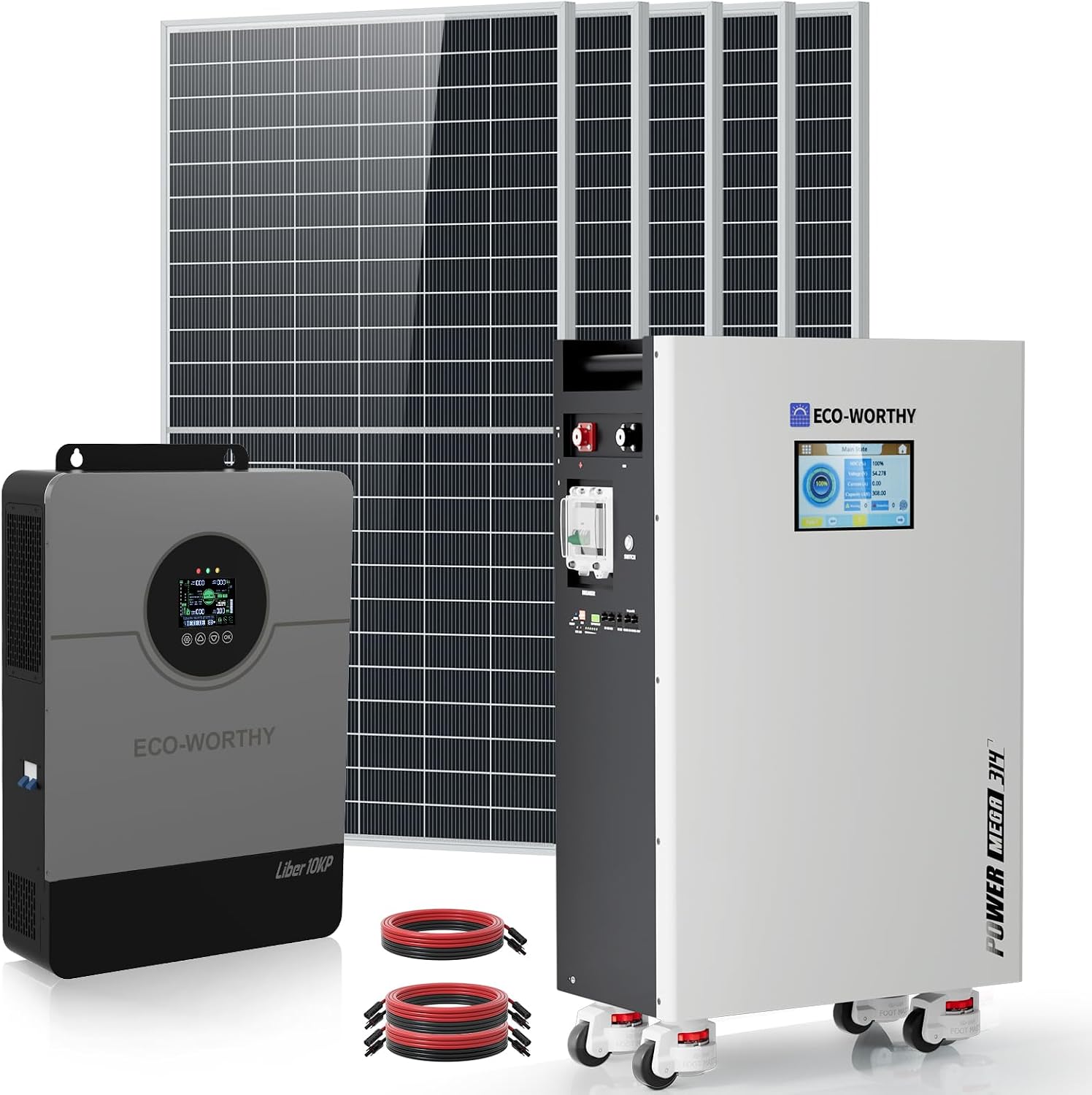
Your raw kW array sizing dictates how much power your roof can generate during peak sun hours, while battery storage capacity determines how many kilowatt-hours (kWh) of that generation you can save for later. Under utility structures like California’s NEM 3.0 or any time-of-use (TOU) framework, a properly scaled array must produce enough surplus midday power to completely charge your home battery bank before peak evening utility rates kick in.